
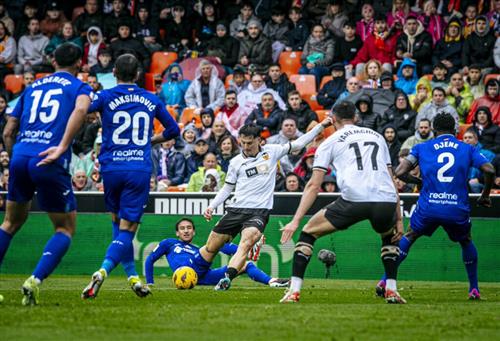
Are you curious about joining the exciting world of sports betting but unsure where to start? Betting in sports combines the thrill of the game with the potential for rewards, but success requires knowledge and discipline. This comprehensive guide explains everything beginners need to know about how to bet in sports, from understanding basic concepts to making informed decisions while prioritizing responsible practices.
What Is Sports Betting?
Sports betting involves placing a wager on the outcome of a sporting event or a specific aspect of it. When you bet in sports, you’re essentially predicting results such as which team will win, by how much, or how many points will be scored in total. It’s a popular form of entertainment that has grown significantly with the rise of online platforms, allowing fans to engage more deeply with their favorite sports like football, basketball, baseball, and soccer.
The core idea is straightforward: you risk a certain amount of money on your prediction, and if correct, you receive a payout based on the odds provided by the bookmaker. However, it’s important to remember that the house always has an edge, so approaching betting in sports as entertainment rather than a guaranteed income source is essential.
Understanding Sports Betting Odds
Odds are the foundation of betting in sports, representing the probability of an outcome and determining potential payouts. There are three main formats: American (moneyline), decimal, and fractional.
American Odds
Common in the US, these use positive and negative numbers. Negative odds (e.g., -150) indicate favorites—you must bet $150 to win $100. Positive odds (e.g., +200) show underdogs—a $100 bet wins $200 in profit if successful.
Decimal and Fractional Odds
Decimal odds (e.g., 2.50) show total return including stake. Fractional odds (e.g., 3/2) indicate profit relative to stake. Converting between formats helps compare value across different platforms.
Always calculate implied probability from odds to assess if the bet offers good value. For example, -110 odds imply about 52.4% probability, meaning the bookmaker builds in a margin.
Common Types of Bets in Sports
Several bet types allow flexibility when you bet in sports. Starting with simpler ones builds confidence before exploring complex options.
- Moneyline Bets: The simplest—pick the outright winner. Ideal for beginners due to its straightforward nature.
- Point Spread Bets: Bet on a team to win by a certain margin or lose by less than the spread. This levels the playing field between strong and weak teams.
- Over/Under (Totals): Wager on whether the combined score will be over or under a set number. Focuses on total performance rather than the winner.
- Parlays: Combine multiple bets into one for higher potential payouts, but all selections must win. Higher risk means higher reward.
- Prop Bets: Wager on specific events within a game, like a player’s performance or individual statistics.
Live betting adds excitement by allowing wagers during the event as odds update in real-time.
Practical Tips for Successful Sports Betting
To make the most of betting in sports, follow these actionable strategies:
- Research thoroughly: Analyze team form, player injuries, head-to-head records, and external factors like weather or home advantage.
- Practice bankroll management: Set a dedicated budget you can afford to lose—typically 1-5% per bet (a ‘unit’). Never chase losses by increasing stakes impulsively.
- Shop for the best odds: Compare lines across different sportsbooks to maximize value on your predictions.
- Start small: Begin with moneyline or over/under bets before moving to parlays or props.
- Keep records: Track your bets, wins, losses, and reasoning to identify patterns and improve over time.
Expert insight: Successful bettors treat betting in sports like a skill-based hobby. Emotions should never drive decisions—stick to data-driven choices and maintain discipline.
Comparison of Popular Bet Types
| Bet Type | Description | Risk Level | Best For |
|---|---|---|---|
| Moneyline | Pick the winner outright | Low to Medium | Beginners seeking simplicity |
| Point Spread | Win by or cover the margin | Medium | Balanced matchups |
| Over/Under | Total score prediction | Medium | Focus on game pace |
| Parlay | Multiple bets combined | High | Experienced users chasing bigger wins |
Responsible Sports Betting: Key Considerations
While betting in sports can be fun, it carries risks. Prioritize these responsible practices:
- Set strict time and money limits before betting.
- Never bet more than you can afford to lose.
- Avoid betting when emotional, stressed, or under the influence.
- Use self-exclusion tools or limits available on most platforms if needed.
- Seek help from professional resources if betting feels out of control.
Remember, the goal is entertainment. Long-term success comes from informed, measured approaches rather than trying to ‘beat the system’ quickly.
Summary: Betting in sports offers an engaging way to enjoy games when done knowledgeably. By understanding odds, exploring bet types, applying practical tips like research and bankroll management, and committing to responsible practices, beginners can participate confidently and sustainably. Always view it as entertainment, stay disciplined, and focus on long-term enjoyment over short-term gains.